How Peppermint Oil Can Work Wonders For Your Hair

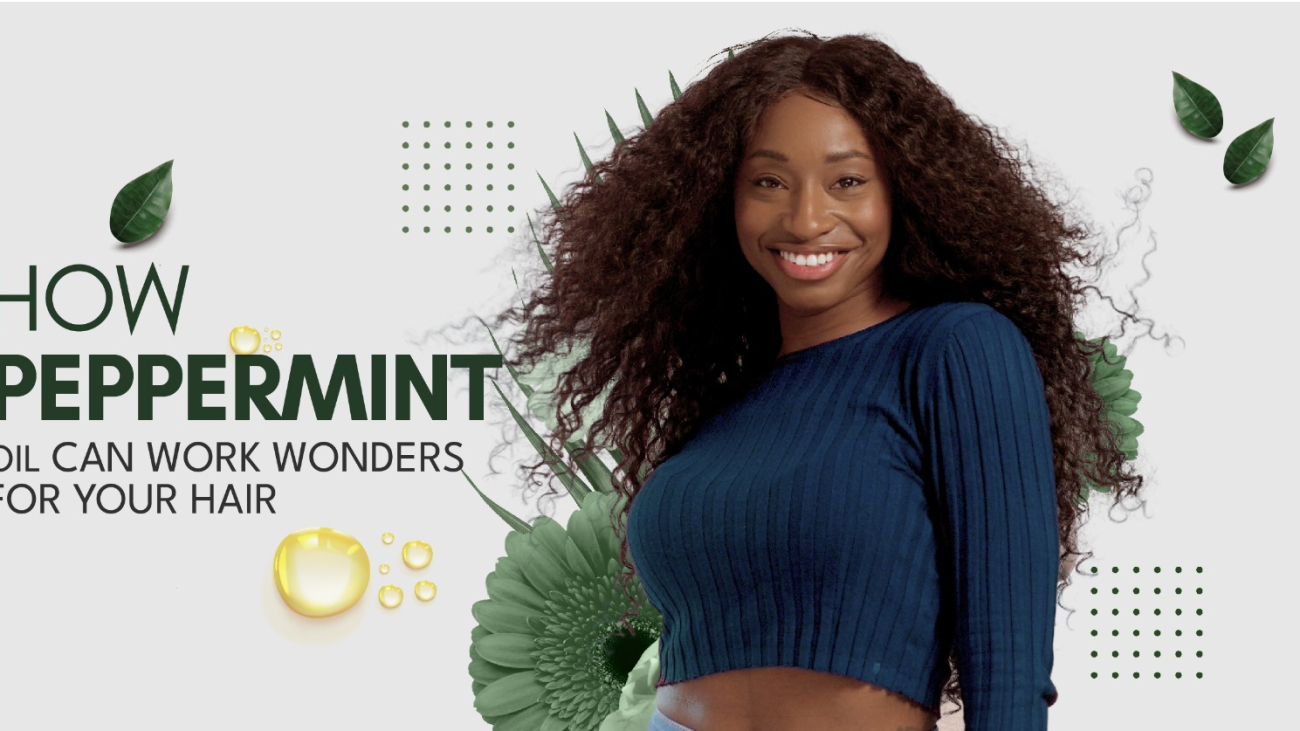
How Peppermint Oil Can Work Wonders For Your Hair

Peppermint oil is a popular ingredient in many beauty products, especially those designed for hair care. Peppermint oil has a refreshing and invigorating scent that can boost your mood and energy levels. But did you know that peppermint oil also has many benefits for your hair and scalp? In this blog, we will explore how peppermint oil can work wonders for your hair, from promoting hair growth to balancing oil production.

What is Peppermint Oil?

Peppermint oil is an essential oil extracted from the leaves and stems of the peppermint plant, a hybrid of watermint and spearmint. Peppermint oil contains a high concentration of menthol, a compound that gives peppermint its characteristic cooling and tingling sensation. Menthol also has anti-inflammatory, antiseptic, analgesic, and vasodilating properties, which means it can reduce inflammation, fight bacteria, relieve pain, and improve blood flow.

How does Peppermint Oil benefit your hair?

Peppermint oil can benefit your hair in several ways, such as:

•  Stimulating Hair Growth: One of the most impressive benefits of peppermint oil is its ability to stimulate hair growth. A 2014 study in mice showed that peppermint oil increased the number, depth, and thickness of hair follicles compared to minoxidil, a common hair growth product. The researchers suggested that peppermint oil works by increasing blood circulation to the scalp, which nourishes the hair follicles and promotes their growth. Peppermint oil may also help prevent hair loss by reducing inflammation and stress.

•  Balancing Oil Production: Peppermint oil can also help balance the oil production of your scalp and hair. Peppermint oil has astringent properties, which means it can tighten the pores and reduce the secretion of sebum, the natural oil that lubricates your skin and hair. Excess sebum can make your hair look greasy and dull, as well as clog your pores and cause scalp problems like dandruff and acne. By regulating the sebum production, peppermint oil can keep your hair clean and fresh.

•  Fighting Scalp Infections: Peppermint oil can also help fight scalp infections that can damage your hair and cause itching, flaking, and inflammation. Peppermint oil has antibacterial and antifungal properties, which means it can kill harmful microorganisms that cause scalp infections like folliculitis, ringworm, and lice. Peppermint oil can also soothe the irritation and inflammation caused by these infections.

•  Enhancing Shine and Fragrance: Peppermint oil can also enhance the shine and fragrance of your hair. Peppermint oil can remove dirt, dust, and product buildup from your hair, which can make your hair look dull and lifeless. By cleansing your hair thoroughly, peppermint oil can restore its natural luster and bounce. Peppermint oil can also impart a pleasant and refreshing scent to your hair, which can mask any unpleasant odors and make you feel more confident.

How to use Peppermint Oil for your hair?

To use peppermint oil for your hair, you need to dilute it with a carrier oil like coconut oil, olive oil, or jojoba oil. Peppermint oil is very potent and can cause irritation or allergic reactions if applied directly to the skin or hair. A general rule of thumb is to use 2-3 drops of peppermint oil per tablespoon of carrier oil. You can also add other essential oils like rosemary or lavender to enhance the effects of peppermint oil.

To apply peppermint oil to your hair, follow these steps:

•  Mix the peppermint oil with the carrier oil in a small bowl or bottle.

•  Massage the mixture into your scalp and hair using gentle circular motions.

•  Leave it on for 15-20 minutes or overnight if you want a deeper treatment.

•  Rinse it off with warm water and shampoo as usual.

•  Repeat this process 2-3 times a week or as needed.

You can also add a few drops of peppermint oil to your shampoo or conditioner for a quick boost of freshness and shine.

Conclusion

As you can see, peppermint oil is a wonderful and natural ingredient that can improve your hair health and appearance. It can boost your hair growth, regulate your oil production, prevent and treat scalp infections, and add shine and fragrance to your hair. However, if you are looking for a convenient and effective way to use peppermint oil for your hair, you should try the Anti-itch serum by beautypro. The Anti-itch serum by beautypro is a specially formulated product that contains peppermint oil as one of its main ingredients. It can help you relieve the itching and irritation of your scalp, as well as repair the damage caused by dryness, breakage, and split ends. The Anti-itch serum by beautypro can also moisturize and nourish your hair, making it soft, smooth, and strong. The Anti-itch serum by beautypro is the perfect solution for your hair problems. Beautypro products are available in most departmental stores like Choppies, PicknPay, Cosmetic connection stores etc.

Why You Need Jamaican Black Castor Oil in Your Beauty Routine

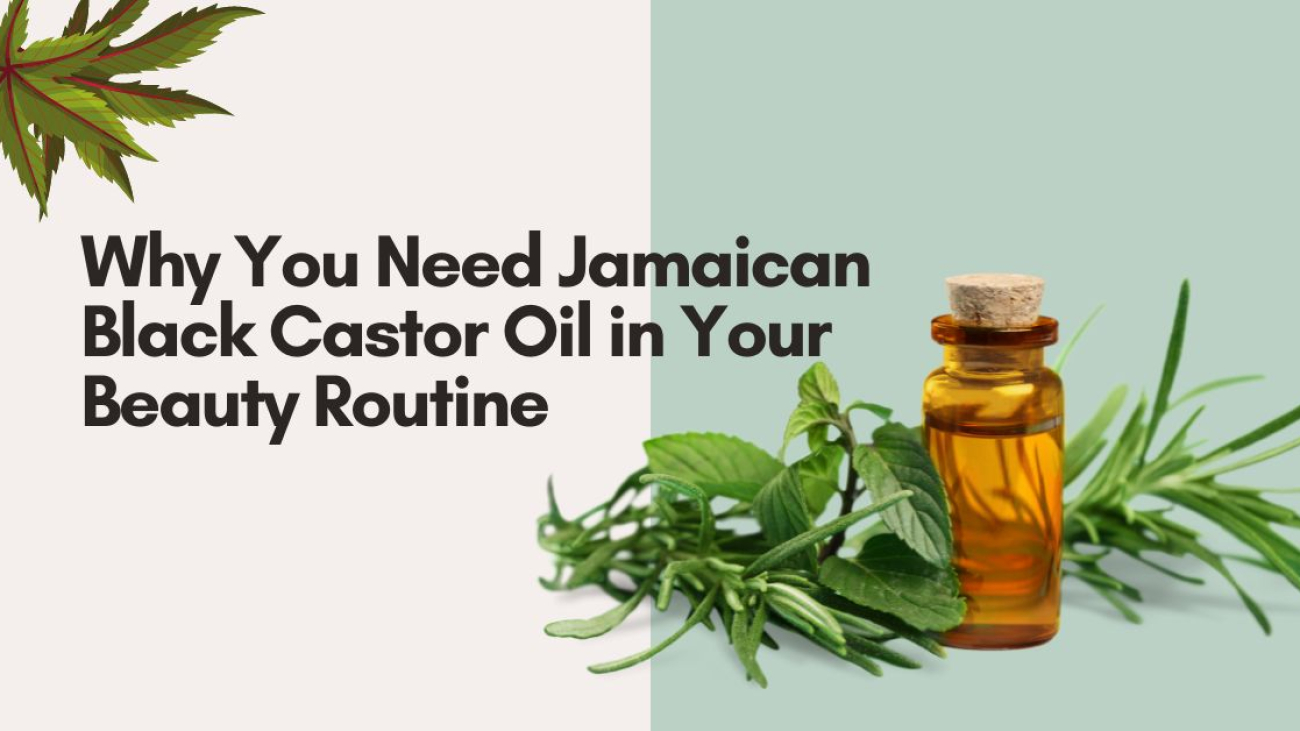
Why You Need Jamaican Black Castor Oil in Your Beauty Routine

Jamaican black castor oil is a natural oil that has been used for centuries for its amazing benefits for hair and skin. It is extracted from the roasted seeds of the castor plant, which gives it a dark color and a distinctive nutty aroma. Jamaican black castor oil is rich in fatty acids, vitamins, minerals, and antioxidants that can nourish, moisturize, and protect your hair and skin. Here are some reasons why you need Jamaican black castor oil in your beauty routine:

•  It promotes hair growth and thickness: Jamaican black castor oil can stimulate blood circulation to your scalp and follicles, which can boost hair growth and prevent hair loss. It can also strengthen your hair shafts and prevent breakage and split ends. You can apply Jamaican black castor oil to your scalp and massage it gently for a few minutes, then leave it overnight or for at least an hour before washing it off. You can also mix it with other oils, such as coconut oil or olive oil, for extra benefits.

•  It moisturizes and conditions your hair: Jamaican black castor oil can hydrate your hair and lock in moisture, which can prevent dryness and frizz. It can also smooth your cuticles and add shine and softness to your hair. You can use Jamaican black castor oil as a deep conditioner or a leave-in treatment for your hair. You can also add a few drops of it to your shampoo or conditioner for daily use.

•  It fights dandruff and scalp infections: Jamaican black castor oil has antibacterial and antifungal properties that can help you get rid of dandruff and other scalp issues, such as itchiness, inflammation, and fungal infections. It can also balance the pH level of your scalp and prevent excess oil production. You can apply Jamaican black castor oil to your scalp and leave it for 15 to 20 minutes before rinsing it off. You can also add some essential oils, such as tea tree oil or lavender oil, for extra healing effects.

•  It improves your skin health and appearance: Jamaican black castor oil can nourish your skin with its essential nutrients and antioxidants, which can improve your skin elasticity, texture, and tone. It can also moisturize your skin and prevent dryness, cracking, and peeling. You can apply Jamaican black castor oil to your face and body as a moisturizer or a massage oil. You can also mix it with other ingredients, such as honey or aloe vera gel, for a DIY face mask or scrub.

•  It heals acne and scars: Jamaican black castor oil can help you clear your acne and reduce the appearance of scars, blemishes, and dark spots on your skin. It has anti-inflammatory and antimicrobial properties that can fight acne-causing bacteria and reduce swelling and redness. It can also stimulate collagen production and cell regeneration, which can heal your skin faster and fade scars. You can dab some Jamaican black castor oil on your acne or scars with a cotton ball or a Q-tip and leave it overnight or for a few hours before washing it off.

Conclusion

As you can see, Jamaican black castor oil is a versatile and powerful natural product that can enhance your beauty in many ways. You can find BeautyPro’s Jamaican black castor oil in many health stores or online shops. Make sure you choose organic and pure Jamaican black castor oil for the best results. You can also do a patch test before using it to check for any allergic reactions. Try Jamaican black castor oil today and see the difference for yourself!

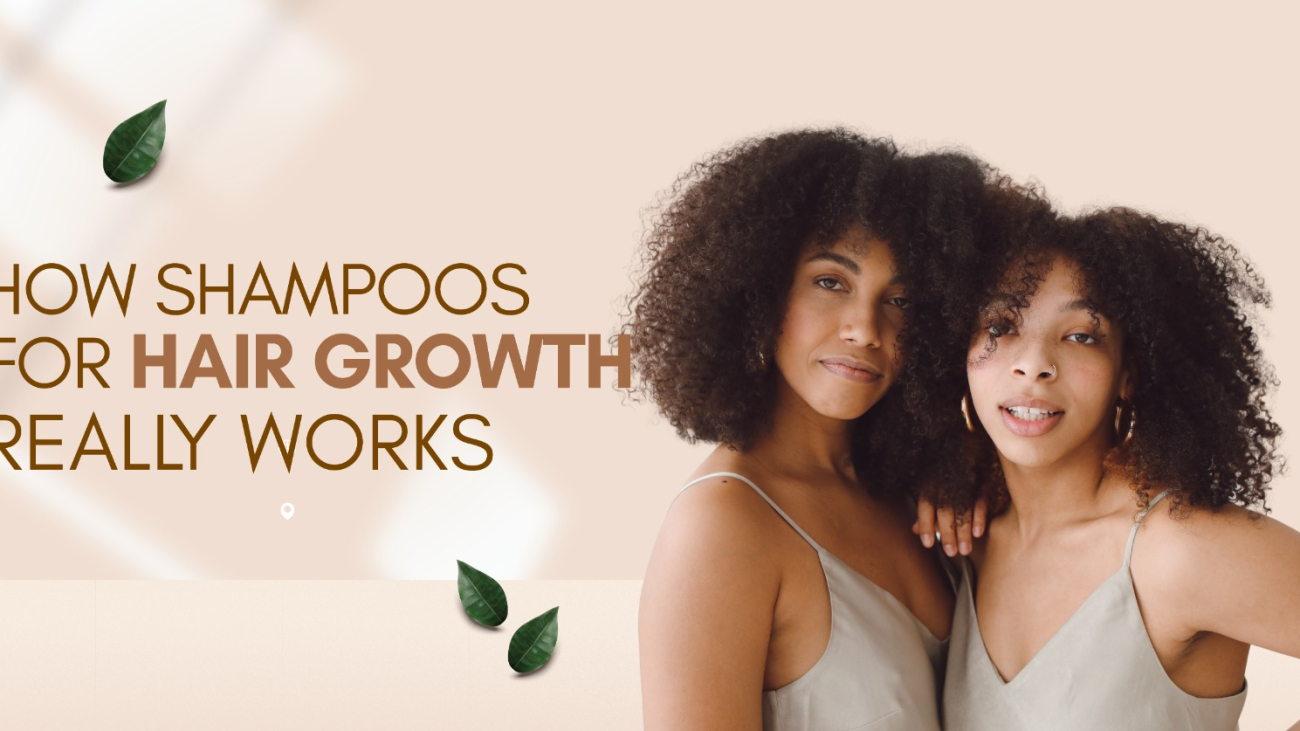
How Shampoos for Hair Growth Really Work

How Shampoos for Hair Growth Really Works

If you are looking for a way to boost your hair growth, you might have come across various products that claim to do just that. One of the most popular types of hair growth products is shampoos for hair growth. But do they really work? And how do they work? In this blog post, we will answer these questions and more.

What are Hair Growth Shampoos?

Shampoos for hair growth are shampoos that contain ingredients that are supposed to stimulate the hair follicles, improve the scalp health, and nourish the hair strands. Some of the common ingredients in these shampoos are biotin, caffeine, keratin, zinc, and various herbs and oils. These ingredients are believed to have different effects on the hair growth cycle, which consists of three phases: anagen (growth phase), catagen (transition phase), and telogen (resting phase).

How do shampoos for hair growth work?

The main mechanism of action of hair growth shampoo is to increase the duration and quality of the anagen phase, which is the longest and most productive phase of the hair growth cycle. During this phase, the hair follicles are actively dividing and producing new hair cells, which push the old ones out of the skin. The length and thickness of the hair depend largely on how long and how well the hair stays in this phase.

Shampoos for hair growth work by providing the hair follicles with the nutrients and oxygen they need to multiply and grow. They also work by reducing inflammation, infection, and dandruff on the scalp, which can interfere with the normal functioning of the hair follicles. Additionally, they work by preventing or reversing the effects of hormonal imbalances, stress, aging, and other factors that can cause premature hair loss or thinning.

Do shampoos for hair growth really work?

The effectiveness of hair growth shampoos depends on several factors, such as the cause and extent of your hair loss or thinning, your genetic predisposition, your age, your sex, your nutrition, and your overall health. Shampoos for hair growth are not a miracle cure for baldness or alopecia, but they can help improve the appearance and health of your existing hair. They can also help prevent further damage or loss by strengthening and protecting your hair.

However, not all shampoos are created equal. Some may contain harsh chemicals or additives that can harm your scalp or hair. Some may not have enough concentration or quality of the active ingredients to make a noticeable difference. Some may not suit your hair type or condition. Therefore, it is important to do your research before buying any shampoo for hair growth. Look for reputable brands that have positive reviews and testimonials from customers and experts. Read the labels carefully and check the ingredients list. Avoid products that contain alcohol, sulfates, parabens, or artificial fragrances or colors.

How to use shampoos for hair growth?

To get the best results from shampoos for hair growth, you need to use them correctly and consistently. Here are some tips on how to use them:

•  Wash your hair with warm water to open up the pores and remove any dirt or oil from your scalp.

•  Apply a generous amount of shampoo to your scalp and massage it gently with your fingertips for a few minutes. This will help stimulate blood circulation and absorption of the ingredients.

•  Rinse your hair thoroughly with cool water to close the pores and seal in the moisture.

•  Repeat this process 2-3 times a week or as directed by the product instructions.

•  Follow up with a conditioner or a leave-in treatment that is compatible with your shampoo and your hair type.

•  Avoid using heat styling tools or chemical treatments on your hair as they can damage or dry out your hair.

•  Eat a balanced diet that is rich in protein, iron, zinc, biotin, and other vitamins and minerals that support healthy hair growth.

•  Drink plenty of water to hydrate your body and your hair.

•  Manage your stress levels and get enough sleep to reduce cortisol levels and promote hormonal balance.

Shampoos for hair growth can be a helpful addition to your hair care routine if you want to improve your hair growth rate and quality. However, they are not a magic solution that will make your hair grow overnight. You need to be patient and realistic about your expectations. Beautypro’s large range of hair growth products help you achieve your hair goals and also maintain it. All you You also need is to take care of your overall health and wellness to support your hair from within. Remember that healthy hair starts with a healthy scalp.

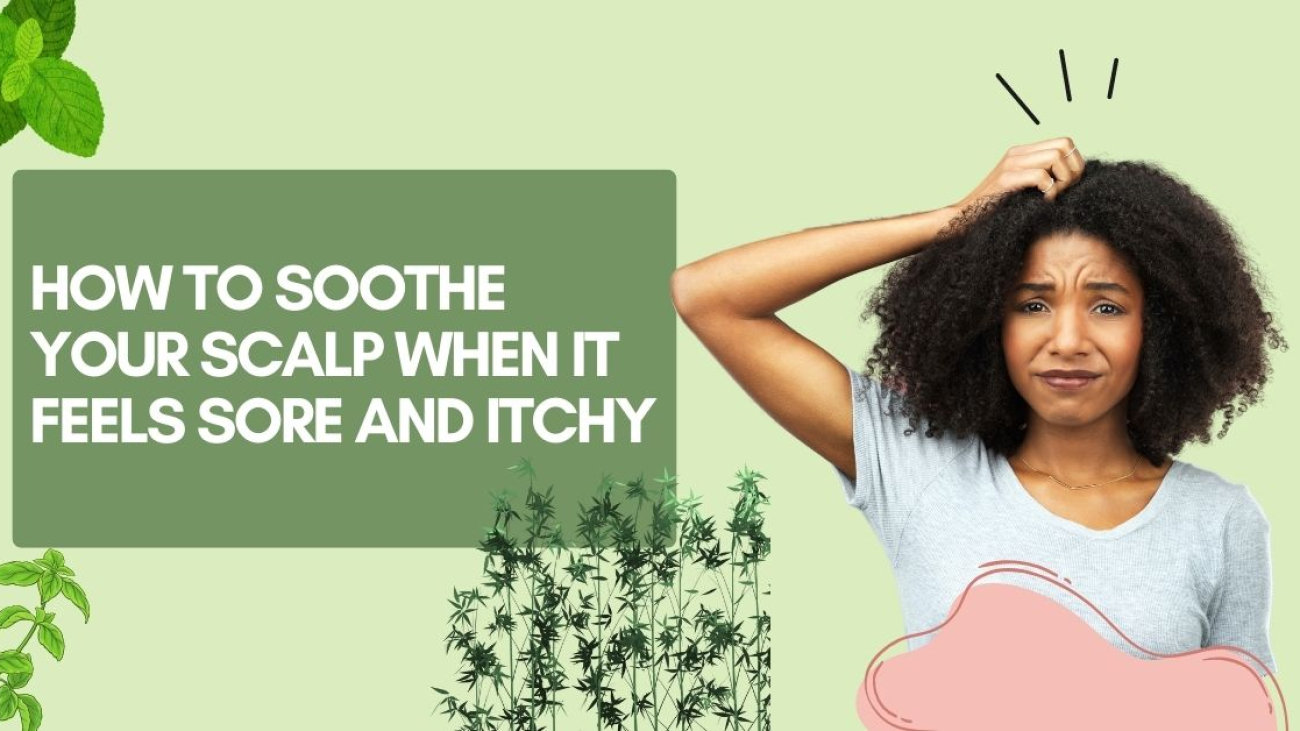
How to Soothe Your Scalp When It Feels Sore and Itchy

How to Soothe Your Scalp When It Feels Sore and Itchy

Do you ever feel like your scalp is on fire? Do you scratch your head until it bleeds? Do you avoid washing or styling your hair because it hurts too much? If you answered yes to any of these questions, you may be suffering from scalp pain and itchiness.

Scalp pain and itchiness are common problems that can affect anyone, regardless of age, gender, or hair type. They can be caused by various factors, such as:

•  Dryness: Dry scalp can result from low humidity, cold weather, over-washing, or using harsh products that strip away the natural oils from your scalp. Dry scalp can make your skin flaky, tight, and irritated, which can trigger itching and inflammation.

•  Dandruff: Dandruff is a condition where your scalp sheds excess skin cells, which can accumulate on your hair and clothes. Dandruff can be caused by fungal infection, hormonal imbalance, stress, or poor diet. Dandruff can make your scalp itchy, red, and scaly, which can lead to scratching and soreness.

•  Psoriasis: Psoriasis is an autoimmune disorder that causes your skin cells to grow too fast and form thick, silvery scales. Psoriasis can affect any part of your body, including your scalp. Psoriasis can cause severe itching, burning, and pain on your scalp, which can interfere with your daily activities and affect your self-esteem.

•  Dermatitis: Dermatitis is a general term for inflammation of the skin. Dermatitis can be caused by allergic reactions, irritants, infections, or other factors. Dermatitis can cause various symptoms on your scalp, such as rash, blisters, swelling, or oozing, which can make your scalp itchy and tender.

•  Folliculitis: Folliculitis is an infection of the hair follicles, which are the tiny openings where your hair grows. Folliculitis can be caused by bacteria, fungi, viruses, or parasites. Folliculitis can cause small bumps or pimples on your scalp, which can be painful and itchy.

How to treat your Scalp Pain and Itchiness?

If you are experiencing scalp pain and itchiness, you may be tempted to scratch or rub your scalp to relieve the discomfort. However, this can worsen the condition and cause more damage to your skin and hair. Instead of scratching or rubbing, you should try the following tips to soothe your scalp:

•  Wash your hair gently with a mild shampoo that suits your hair type and condition. Avoid shampoos that contain sulfates, parabens, fragrances, or other harsh chemicals that can irritate your scalp. Rinse your hair thoroughly with lukewarm water and pat it dry with a soft towel.

•  Apply a natural conditioner or a hair mask to hydrate and nourish your scalp and hair. Look for products that contain natural ingredients that can calm and heal your scalp, such as aloe vera, oatmeal, honey, or coconut oil. Leave the conditioner or the mask on for at least 10 minutes and then rinse it off with lukewarm water.

•  Use an anti-itch serum to reduce the inflammation and itching on your scalp. An anti-itch serum is a topical product that contains soothing agents that can relieve the irritation and discomfort on your scalp. One of the best anti-itch serums on the market is beautypro’s Anti-Itch Serum, which is formulated with natural extracts of Bamboo, Basil, peppermint, and tea tree. These extracts have anti-inflammatory, antiseptic, antibacterial, and antifungal properties that can help restore the balance and health of your scalp. Simply apply a few drops of beautypro’s Anti-Itch Serum to your scalp and massage gently with your fingertips. You will feel an instant cooling and soothing sensation on your scalp that will last for hours.

•  Avoid using heat tools or styling products that can dry out or damage your scalp and hair. If you need to use a hair dryer, curling iron, or straightener, use them on the lowest setting possible and apply a heat protectant spray before. If you need to use hairspray, gel, or mousse, use them sparingly and avoid spraying them directly on your scalp.

•  Protect your scalp from the sun by wearing a hat, scarf, or sunscreen when you go outside. The sun’s rays can cause sunburns, dryness, or discoloration on your scalp, which can aggravate the pain and itchiness.

•  Eat a balanced diet that includes foods that can boost your scalp health, such as fruits, vegetables, nuts, seeds, and fish. These foods contain vitamins, minerals, antioxidants, and omega-3 fatty acids that can help your scalp heal and prevent inflammation and infection. Avoid foods that can trigger or worsen your scalp condition, such as sugar, dairy, gluten, or alcohol. These foods can cause inflammation, hormonal imbalance, or allergic reactions that can affect your scalp.

•  Drink plenty of water to hydrate your scalp and flush out toxins from your body. Water can help your scalp maintain its moisture and elasticity, which can prevent dryness and flaking. Water can also help your blood circulation and immune system, which can help your scalp fight off infection and inflammation.

•  Manage your stress levels by practicing relaxation techniques, such as meditation, yoga, breathing exercises, or massage. Stress can affect your scalp in many ways, such as causing hormonal imbalance, increasing inflammation, or weakening your immune system. Stress can also make you more prone to scratching or picking at your scalp, which can cause more damage and pain. By relaxing your mind and body, you can reduce the impact of stress on your scalp and improve your overall well-being.

Conclusion
Scalp pain and itchiness are common problems that can affect anyone, regardless of age, gender, or hair type. They can be caused by various factors, such as dryness, dandruff, psoriasis, dermatitis, or folliculitis. To treat your scalp pain and itchiness, you should wash your hair gently with a natural hair growth shampoo, apply a moisturizing natural conditioner or a hair mask, use an anti-itch serum, avoid using heat tools or styling products, protect your scalp from the sun, eat a balanced diet, drink plenty of water, and manage your stress levels. By following these tips, you can soothe your scalp and enjoy healthy and beautiful hair.

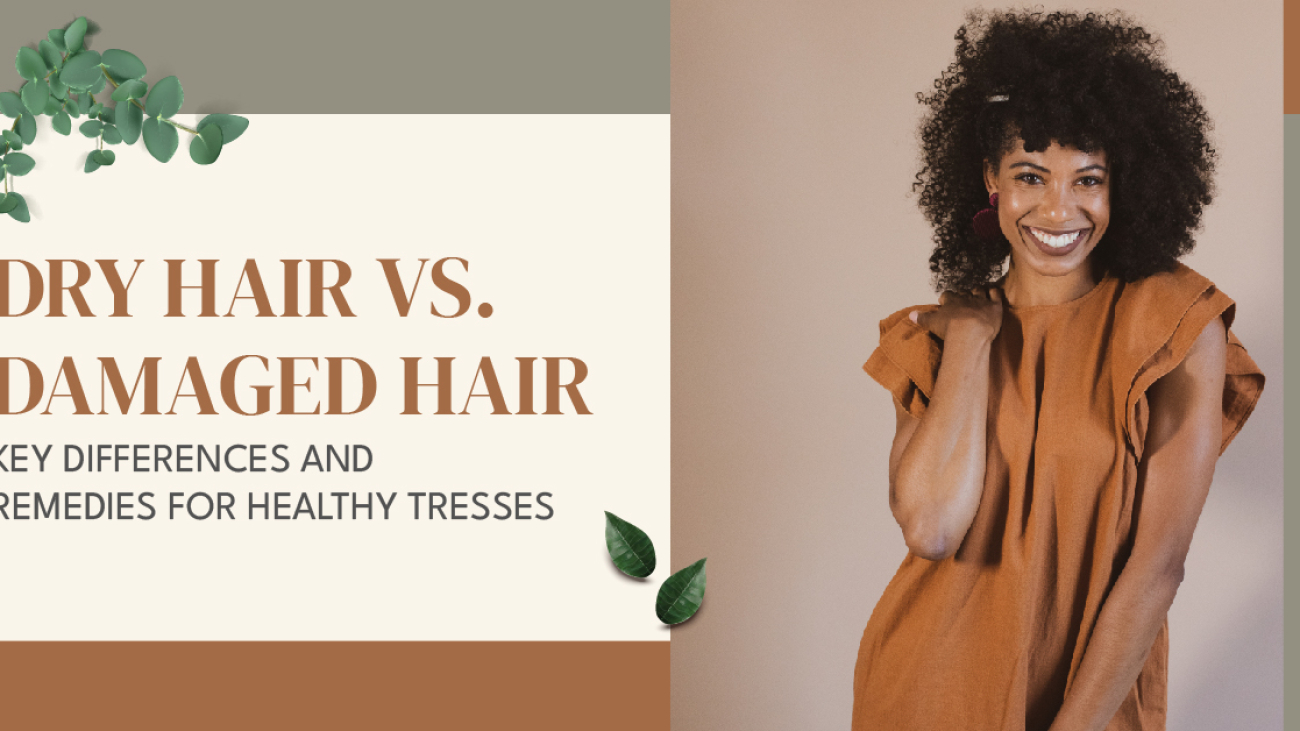
Dry Hair vs. Damaged Hair: Key Differences and Remedies for Healthy Tresses

Dry Hair vs. Damaged Hair: Key Differences and Remedies for Healthy Tresses

Do you know the difference between dry hair and damaged hair? Many people confuse the two, but they have different causes and require different treatments. In this blog post, we will explain how to tell if your hair is dry or damaged, and what you can do to restore its health and beauty.

What is Dry hair?

Dry hair is hair that lacks moisture and hydration. It may feel rough, dull, and brittle, and be prone to frizz and static. Dry hair can be caused by several factors, such as:

•  Genetics: Some people naturally have less oil production in their scalp, which can lead to dry hair.

•  Environmental factors: Exposure to sun, wind, cold, or dry air can strip away the natural oils from your hair, making it dry and dehydrated.

•  Heat styling: Using blow-dryers, curling irons, or flat irons can damage the cuticle (the outer layer of the hair) and reduce its ability to retain moisture.

•  Chemical treatments: Coloring, bleaching, perming, or relaxing your hair can alter its structure and make it more porous and prone to losing moisture.

•  Washing too often or using harsh products: Shampooing your hair too frequently or using products that contain sulfates, alcohol, or other drying ingredients can strip away the natural oils from your scalp and hair.

What is Damaged Hair?

Damaged hair is hair that has broken or weakened bonds in its structure. It may look frizzy, split, or thin, and be difficult to manage or style. Damaged hair can be caused by several factors, such as:

•  Physical factors: Brushing, combing, detangling, or styling your hair too roughly can cause mechanical damage to the cuticle and the cortex (the inner layer of the hair).

•  Heat styling: Using high temperatures or not protecting your hair with a heat protectant can cause thermal damage to the cuticle and the cortex.

•  Chemical treatments: Coloring, bleaching, perming, or relaxing your hair can cause chemical damage to the cuticle and the cortex by breaking the bonds that hold them together.

•  Environmental factors: Exposure to UV rays, pollution, chlorine, or salt water can cause oxidative damage to the cuticle and the cortex by creating free radicals that attack them.

How to tell if your hair is Dry or Damaged?

There are some simple tests you can do at home to determine if your hair is dry or damaged. Here are some of them:

•  The Elasticity Test: Wet a strand of your hair and gently pull it. If it stretches and returns to its original length, your hair has good elasticity and is healthy. If it doesn’t stretch or breaks easily, your hair has poor elasticity and is damaged. If it stretches but doesn’t return to its original shape, your hair has medium elasticity and is dry.

•  The Porosity Test: Take a few strands of your hair and drop them into a glass of water. If they sink quickly, your hair has high porosity and is damaged. If they float on the surface, your hair has low porosity and is healthy. If they sink slowly or stay in the middle, your hair has medium porosity.

•  The Shine Test: Look at your hair in natural light. If it reflects light and looks shiny, your hair is healthy. If it looks dull and matte, your hair is dry or damaged.

How to treat Dry or Damaged Hair?

Depending on whether your hair is dry or damaged, you may need different products and treatments to restore its health and luster. Here are some general tips for each condition:

For Dry Hair:

Use a natural moisturizing shampoo and conditioner that contain hydrating ingredients

•  Apply a deep conditioning natural mask once a week to nourish your hair and seal in moisture.

•  Use a natural hair conditioner or a serum after washing your hair to smooth the cuticle and prevent moisture.

•  Avoid washing your hair too often or using hot water

•  Protect your hair from heat styling by using a heat protectant spray or a lower temperature setting.

•  Protect your hair from environmental factors by wearing a hat or a scarf when going outside.

For Damaged Hair:

•  Use a repairing shampoo and conditioner that contain protein-based ingredients such as keratin, collagen, silk amino acids, wheat protein, or soy protein.

•  Apply a protein treatment once a month to replenish the lost protein in your hair.

•  Use a moisturizing treatment once a week to balance the protein and moisture levels in your hair.

•  Use a hair oil or a serum after washing your hair to smooth the cuticle and add shine

•  Avoid heat styling as much as possible or use a lower temperature setting.

•  Avoid chemical treatments as much as possible or use a lower concentration or a gentler formula.

•  Trim your hair regularly to get rid of split ends and prevent further damage.

One product that can help both dry and damaged hair is an anti itch serum. An anti itch serum is a product that soothes the scalp and reduces itching, irritation, and inflammation. It can also moisturize the scalp and hair, prevent dandruff and flaking, and promote hair growth. An anti itch serum can be applied to the scalp before or after shampooing, or as a leave-in treatment.

Hair care is not only about choosing the right products, but also about following a healthy lifestyle and a regular routine. Whether you have curly, straight, fine, or thick hair, there is a hair care product that suits your needs and preferences. One of the best hair care brands that the experts recommend is BeautyPro, which offers a range of shampoos, conditioners, masks, serums, and more. BeautyPro’s products are made with natural ingredients and are cruelty-free, vegan, and eco-friendly. They also have a variety of formulas for different hair types and concerns, such as dryness, frizz, damage, color protection, and volume.

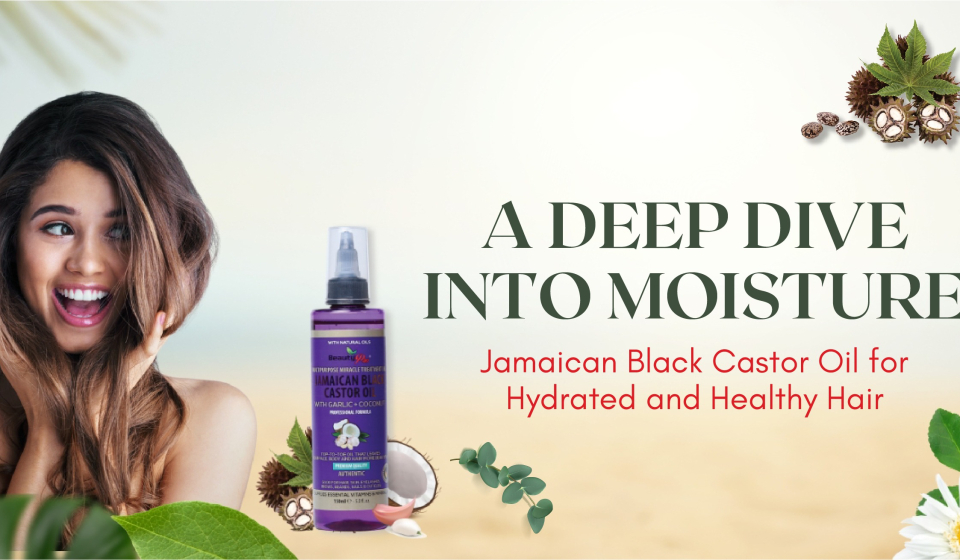
Jamaican black castor oil for Hair Growth

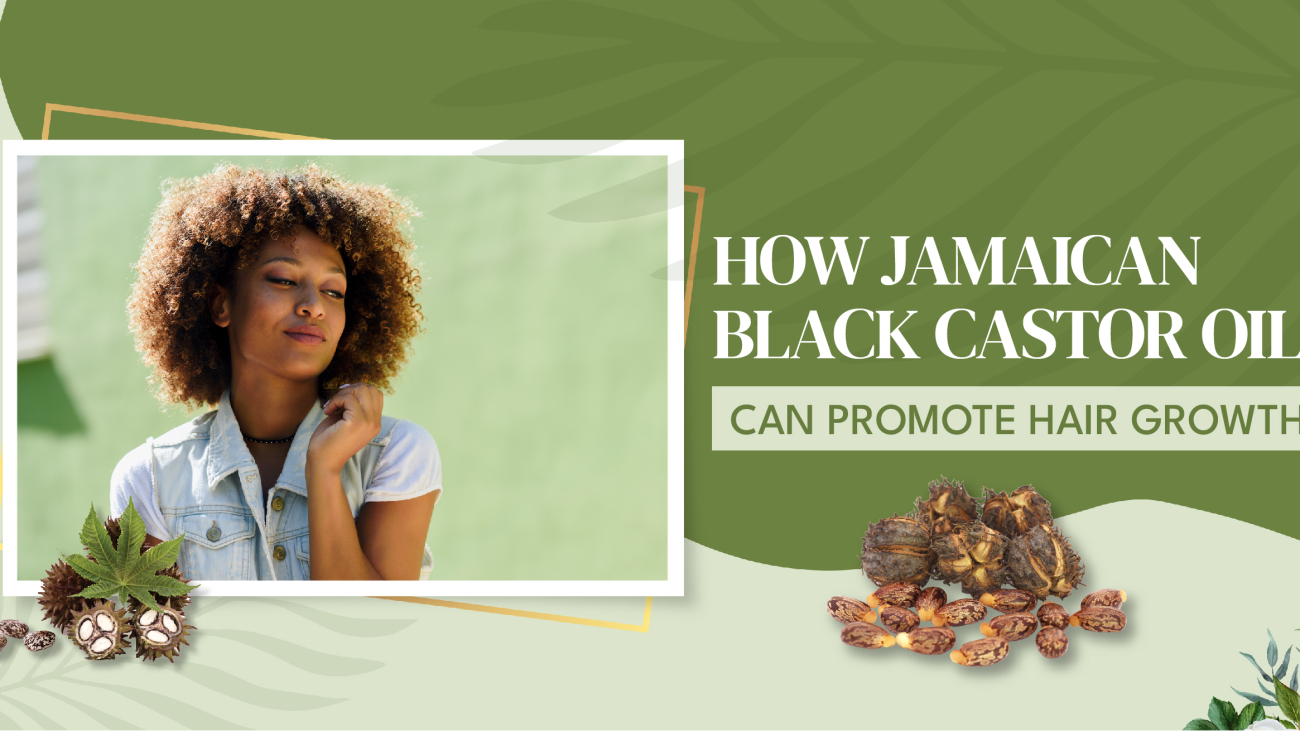
How Jamaican Black Castor Oil Can Promote Hair Growth

If you are looking for a natural way to boost your hair growth, you may have heard of Jamaican black castor oil. This oil is derived from the seeds of the castor bean plant, which is native to Africa and India. Unlike regular castor oil, Jamaican black castor oil is processed by roasting the beans, which gives it a dark color and a burnt smell. Jamaican black castor oil has been used for centuries in Jamaica for various purposes, such as treating skin conditions, healing wounds, and enhancing hair health.

But what makes Jamaican black castor oil so effective for hair growth? And how can you use it to achieve your hair goals? In this blog post, we will answer these questions and share some tips on how to use JBCO for hair growth.

Benefits of Jamaican black castor oil for Hair Growth

Jamaican black castor oil has many benefits for hair growth, thanks to its rich composition of fatty acids, minerals, vitamin E, and antioxidants. Some of the benefits are:

•  Jamaican black castor oil has a warming effect on the scalp, which increases blood flow and oxygen delivery to the hair follicles. This nourishes the follicles and promotes healthy hair growth. It also helps remove toxins and impurities from the scalp, which can clog the pores and inhibit hair growth.

•  Jamaican black castor oil contains ricinoleic acid, an omega-9 fatty acid that has anti-inflammatory and antibacterial properties. It helps fight scalp infections, such as dandruff, eczema, and folliculitis, which can damage the hair roots and cause hair loss. It also protects the hair from environmental stressors, such as pollution, UV rays, and chemical treatments.

•  Jamaican black castor oil is rich in protein, which is essential for hair growth and repair. It helps fill in the gaps and cracks in the hair cuticles, making them smoother and shinier. It also adds body and density to the hair strands, giving them a fuller appearance.

How to Use Jamaican black castor oil for Hair Growth

There are many ways to use JBCO for hair growth, depending on your preference and hair type. Here are some of the most common methods:

•  This is the simplest way to use Jamaican black castor oil for hair growth. You can apply it on damp or dry hair, using your fingertips or a dropper. Massage it gently into your scalp for about 10 minutes, focusing on the areas where you want more growth. Leave it on overnight or for at least 2 hours before washing it off with a mild shampoo.

•  You can enhance the effects of Jamaican black castor oil by mixing it with other oils or ingredients that are good for hair growth, such as coconut oil, olive oil, almond oil, peppermint oil, lavender oil, rosemary oil, honey, aloe vera gel, etc. You can use equal parts of JBCO and another oil or ingredient, or adjust the ratio according to your needs. Apply the mixture to your scalp and hair as described above.

•  A hot oil treatment is a great way to deep condition your hair and scalp with Jamaican black castor oil. To do this, you need to heat up some JBCO in a microwave-safe container or a double boiler until it is warm but not too hot. You can also add some other oils or ingredients to it if you like. Apply the warm oil to your scalp and hair, covering them with a shower cap or a plastic wrap. Wrap a towel around your head to trap the heat and let it sit for 20 to 30 minutes before rinsing it off with a mild shampoo.

•  Another easy way to use Jamaican black castor oil for hair growth is to add it to your regular shampoo or conditioner. You can add about a teaspoon of JBCO to every ounce of shampoo or conditioner you use, or adjust the amount according to your preference. Shake well before using and apply as usual.

How Long Does It Take for Jamaican black castor oil to Grow Hair?

The results of using Jamaican black castor oil for hair growth may vary depending on several factors, such as your genetics, diet, lifestyle, health condition, etc. However, most people report seeing some improvement in their hair growth after 2 to 6 weeks of consistent use. To get the best results, you should use JBCO at least 2 to 3 times a week and follow a healthy hair care routine. You should also be patient and realistic with your expectations, as hair growth is a gradual process that takes time and effort.

Where to Buy Jamaican black castor oil for Hair Growth ?

Jamaican black castor oil is widely available online and in some health food stores and beauty supply stores. However, not all Jamaican black castor oil products are created equal. Some may be diluted, adulterated, or processed differently, which can affect their quality and effectiveness. To ensure that you are getting the real deal, you should look for the following features when buying Jamaican black castor oil for hair growth:

•  The label should indicate that the product is 100% pure, or organic. This means that it is free of any additives, chemicals, or solvents that can compromise its quality and potency.

•  The color and consistency of Jamaican black castor oil are indicators of its authenticity and freshness. It should be dark brown, almost black, and have a thick, syrupy texture. It should also have a distinctive burnt smell, which is a result of the roasting process.

•  You should buy Jamaican black castor oil from a trusted and reliable brand that has good reviews and ratings from customers. Some of the popular brands of Jamaican black castor oil for hair growth are BeautyPro, Sunny Isle, SheaMoisture.

Conclusion

Jamaican black castor oil is a natural and effective way to promote hair growth and improve hair health. It has many benefits for the scalp and hair, such as moisturizing, stimulating, strengthening, and thickening them. It can be used in various ways, such as applying it directly, mixing it with other oils or ingredients, making a hot oil treatment with it, or adding it to your shampoo or conditioner. It may take 2 to 6 weeks to see the results of using Jamaican black castor oil for hair growth, depending on your individual factors. You should use Jamaican black castor oil regularly and follow a healthy hair care routine to get the best results. You should also buy JBCO from a reputable brand that offers pure, organic, and cold-pressed products.
We hope this blog post has given you some useful information on how Jamaican black castor oil can promote hair growth. If you have any questions or comments, feel free to leave them below. And if you have tried Jamaican black castor oil for hair growth, share your experience with us!

How to Incorporate Hair Masks into Your Weekly Hair Care Routine

How to Incorporate Hair Masks into Your Weekly Hair Care Routine

Hair masks are a great way to nourish, hydrate and repair your hair, especially if you have dry, damaged or frizzy hair. They can also help with scalp issues, such as dandruff, itchiness or oiliness. But how often should you use them and how do you choose the right one for your hair type and needs? Here are some tips on how to incorporate hair masks into your weekly hair care routine.

What are hair masks and why do you need them?

Hair masks are deep conditioning treatments that are applied to your hair after shampooing and left on for a longer time than regular conditioners, usually 10 to 30 minutes or even overnight. They contain higher concentrations of moisturizing, nourishing and repairing ingredients, such as oils, butters, proteins, vitamins and extracts. Hair masks can help with various hair problems, such as:

•  Dryness: Hair masks can moisturize and hydrate your hair, making it softer, smoother and shinier. They can also prevent split ends, breakage and frizz by sealing the cuticles and locking in moisture.

•  Damage: Hair masks can repair and strengthen your hair, especially if it has been exposed to heat styling, coloring, chemical treatments or environmental factors. They can also protect your hair from further damage by creating a barrier against external aggressors.

•  Scalp issues: Hair masks can soothe and balance your scalp, whether it is too dry, too oily or irritated. They can also stimulate blood circulation and promote hair growth by nourishing the follicles.

How often should you use hair masks?

The frequency of using hair masks depends on your hair type, condition and goals. As a general rule, you should use them at least once a week to maintain healthy and beautiful hair. However, you may need to use them more or less often depending on your specific situation. Here are some guidelines:

•  Normal Hair: If your hair is neither too dry nor too oily, has no major damage or scalp issues, and you are happy with its appearance and texture, you can use a hair mask once a week or every other week as a preventive measure and a boost of shine.

•  Dry or Damaged Hair: If your hair is dry, brittle, dull or prone to split ends, breakage or frizz, you should use a hair mask at least twice a week to restore moisture and elasticity. If your hair is severely damaged by heat styling, coloring or chemical treatments, you may need to use a hair mask every time you wash your hair until it recovers.

•  Oily or Fine Hair: If your hair is oily, greasy or limp, you should use a hair mask once a week or every other week to balance your scalp and add volume. However, you should avoid applying the mask to your roots or using heavy or oily ingredients that can weigh down your hair or clog your pores.

•  Curly or Coily Hair: If your hair is curly, coily or textured, you should use a hair mask at least once a week to define your curls and prevent dryness and frizz. You may also need to use a leave-in conditioner or a curl cream after rinsing out the mask to keep your curls hydrated and bouncy throughout the day.

How to choose the right hair mask for your hair type and needs?

There are many types of hair masks available in the market, each with different ingredients and benefits. You should choose the one that suits your hair type and needs the best. Here are some factors to consider:

•  Ingredients: Look for natural ingredients that are gentle and effective for your hair. Avoid harsh chemicals, sulfates, parabens, silicones and artificial fragrances that can damage or irritate your hair or scalp. Some of the best natural ingredients for hair masks are:

  1. Castor Oil: It is one of the most popular oils for hair care because it can penetrate the hair shaft and moisturize it from within. It can promote hair growth, fight dandruff and protect from sun damage.
  2. Avocado: It is rich in healthy fats, proteins and vitamins that can nourish and repair your hair. It also has anti-inflammatory properties that can soothe an itchy scalp.
  3.  Honey: It is a natural humectant that can attract and retain moisture in your hair. It also has antibacterial properties that can prevent scalp.
  4. Olive Oil: It is another moisturizing oil that can soften and smooth your hair. It also contains antioxidants that can prevent oxidative stress and damage.
  5. Egg: It is a great source of protein that can strengthen and repair your hair. It also contains biotin, a vitamin that can prevent hair loss and improve hair growth.
  6. Yogurt: It is a natural conditioner that can add shine and smoothness to your hair. It also contains lactic acid that can exfoliate and cleanse your scalp.
  7. Banana: It is rich in potassium, magnesium and vitamins that can moisturize and soften your hair. It also has a smoothing effect that can tame frizz and flyaways.
  8. Aloe Vera: It is a soothing gel that can hydrate and heal your hair and scalp. It also has anti-inflammatory, antifungal and antibacterial properties that can treat scalp conditions, such as dandruff, psoriasis and eczema.

•  Consistency: Choose a hair mask that has a thick and creamy consistency that can coat your hair evenly and stay on without dripping or running. Avoid hair masks that are too runny or too sticky that can make your hair messy or hard to rinse out.

•  Scent: Choose a hair mask that has a pleasant and natural scent that you enjoy. Avoid hair masks that have a strong or artificial scent that can irritate your nose or cause headaches.

•  Price: Choose a hair mask that fits your budget and gives you good value for money. You don’t have to spend a fortune on a hair mask, as there are many affordable options that work well. You can also make your own hair mask at home using simple ingredients from your kitchen.

To get the most out of your hair mask, you should follow these steps:

•  Wash your hair with a mild shampoo and rinse well.

•  Towel-dry your hair until it is damp but not dripping wet.

•  Apply the hair mask to your hair, starting from the mid-lengths to the ends. Avoid applying it to your roots or scalp unless you have dry or flaky scalp.

•  Comb through your hair with a wide-toothed comb or your fingers to distribute the mask evenly.

•  Cover your hair with a shower cap, a plastic wrap or a warm towel to trap the heat and enhance the absorption of the mask.

•  Leave the mask on for the recommended time, usually 10 to 30 minutes or longer depending on the product or recipe. You can also leave it on overnight for extra nourishment.

•  Rinse out the mask thoroughly with lukewarm water until there is no residue left in your hair.

•  Follow up with a conditioner if needed and style your hair as usual.

Hair masks are an essential part of any weekly hair care routine, as they can provide many benefits for your hair and scalp. If you are looking for natural hair care products that can help you achieve beautiful, healthy, and shiny hair, look no further than BeautyPro Africa. BeautyPro Africa is a leading manufacturer of hair care products made from natural ingredients that help growth and hair volume. Whether you need a nourishing shampoo, a volumizing conditioner, a potent oil, or an anti-itch serum, BeautyPro Africa has it all. Their products are suitable for all hair types, paraben-free, sulphate-free, and enriched with essential oils.

How to Detangle and Moisturize Your Hair with Natural Hair Conditioner

How to Detangle and Moisturize Your Hair with Natural Hair Conditioner

If you have curly, coily, or wavy hair, you know how frustrating it can be to deal with tangles and knots. Not only are they painful to comb through, but they can also cause hair breakage, split ends, and frizz. That’s why you need a natural hair conditioner that can help you detangle and moisturize your hair without damaging it.

Natural hair conditioners are products that contain natural ingredients such as oils, butters, herbs, or fruits that nourish and hydrate your hair. They can also help smooth the cuticle layer of your hair, which reduces friction and prevents tangles. Unlike conventional conditioners that may contain harsh chemicals, sulfates, or silicones, natural hair conditioners are gentle and safe for your hair and scalp.

In this blog post, we will show you how to detangle and moisturize your hair with natural hair conditioner in four easy steps. We will also share some of the best natural hair conditioners you can make at home or buy online.

Step 1: Spritz Your Hair with Water or a Detangling Product

Before you start detangling your hair, you need to add some moisture to it. This will make it easier to comb through and reduce the risk of breakage. You can use a spray bottle filled with water, a water-based product, a leave-in conditioner, or a water/oil mixture. Spritz your hair lightly until it is damp but not soaking wet.

Step 2: Section Your Hair into Smaller Parts

Next, you need to divide your hair into smaller sections so that you can work on one area at a time. The number of sections may vary depending on the length and thickness of your hair. You can use a rat-tail comb or your fingers to create the sections. Use hair clips to keep the rest of the hair out of the way.

Step 3: Apply Natural Hair Conditioner to Each Section

Now, you need to apply natural hair conditioner to each section of your hair. You can use a store-bought natural hair conditioner or make your own at home. Some of the best natural ingredients for conditioning your hair are:

•  Moringa, Rosemary and Hibiscus Extracts: This extract is rich in moisturizing ingredients that penetrate the hair shaft and moisturize it from within. It also has antibacterial and antifungal properties that keep your scalp healthy.

•  Aloe Vera gel: This gel is extracted from the leaves of the Aloe Vera plant and has soothing and healing properties. It also contains vitamins, minerals, and amino acids that nourish and hydrate your hair.

•  Jamaican Black Castor Oil: Black castor oil has been known to penetrate into the skin and nourish your hair whist promoting hair growth.

•  Jojoba oil: This oil is similar to the natural sebum produced by your scalp and helps regulate its oil production. It also moisturizes and strengthens your hair.

•  Shea butter: This butter is extracted from the nuts of the shea tree and has emollient and anti-inflammatory properties. It also seals in moisture and protects your hair from environmental damage.

To apply natural hair conditioner to each section of your hair, start from the ends and work your way up to the roots. Massage the conditioner gently into your hair and scalp. Leave it on for 5 to 10 minutes or longer if you have dry or damaged hair.

Step 4: Detangle Your Hair with Your Fingers or a Wide-Tooth Comb

Finally, you need to detangle your hair with your fingers or a wide-tooth comb. Using your fingers is a gentle way to start the process and work out major snags without pulling out too much hair. Instead of raking your fingers downward through knots, ease tangles apart by pulling them outward.

Using a wide-tooth comb is another effective way to detangle your hair without causing damage. Start from the bottom of each section and work your way up to the roots. Hold the section firmly near the bottom with one hand while combing with the other hand. Be gentle and patient as you untangle each knot.

Once you have detangled each section of your hair, rinse out the natural hair conditioner with lukewarm water. You can also leave some of it in as a leave-in conditioner if you want extra moisture and protection.

And there you have it! You have successfully detangled and moisturized your hair with natural hair conditioner. Your hair should feel soft, smooth, and manageable. You can style your hair as usual or let it air-dry for a natural look. BeautyPro’s range of hair care products helps in maintain healthy hair and helps you achieve your hair goals. Try BeautyPro’s Natural hair conditioner today. Happy detangling!

Benefits of Scalp Massages and Techniques to Try for Beautiful Hair

Benefits of Scalp Massages and Techniques to Try for Beautiful Hair

When it comes to achieving luscious locks, we often focus on the products we apply to our hair. However, the key to healthy hair starts at the roots – the scalp. One powerful technique that can transform your hair care routine is scalp massages. In this blog post, we will explore the incredible benefits of scalp massages and provide you with techniques to try. Whether you’re aiming for hair growth, combating itchiness, or simply seeking a relaxing self-care ritual, scalp massages can be a game-changer. So, let’s dive in and discover the secrets to a vibrant and healthy scalp!

  • Promotes Hair Growth: If you’re dreaming of longer, thicker hair, incorporating scalp massages into your routine is a must. The increased blood flow and stimulation from the massage help nourish hair follicles, promoting healthier and faster hair growth. Combine the benefits of a scalp massage with hair growth conditioners and serums for maximum results. Massage these products into your scalp using the techniques mentioned below to enjoy enhanced nourishment and encourage hair growth.
  • Relieves Itchiness and Soothes the Scalp: An itchy scalp can be incredibly uncomfortable and distracting. Thankfully, scalp massages can provide relief from itchiness by improving circulation and reducing inflammation. Incorporate anti-itch serums or natural oils like black castor oil during your scalp massage to further alleviate discomfort. These products will help calm the scalp and leave it feeling refreshed.
  • Enhances Product Absorption: Using hair growth shampoos and conditioners is essential for maintaining healthy hair. However, without proper absorption, their effectiveness may be limited. Scalp massages improve blood circulation, which enhances the absorption of nutrients from your hair care products. When massaging, pay attention to areas where you apply the shampoo or conditioner, ensuring that the products penetrate deeply for optimal nourishment.

Techniques to Try:

a. Circular Massage Technique:

Using your fingertips, gently apply pressure to your scalp in circular motions. Start from the front hairline and gradually move toward the back of your head. Continue this motion for 5-10 minutes, focusing on areas that require extra attention. This technique is excellent for overall relaxation and promoting blood flow.

b. Kneading Massage Technique:

With your fingertips, press firmly against your scalp and knead it using small circular motions. This technique helps to release tension and stimulate the scalp. Move across the entire scalp, targeting different areas with increased pressure as needed. This technique is especially effective for promoting hair growth.

c. Tapping Massage Technique:

Using the pads of your fingers, gently tap your scalp all over, mimicking the sound of light raindrops. This technique helps stimulate blood circulation and invigorates the scalp. You can vary the intensity of the tapping to suit your preference. It’s a fantastic technique to try if you’re short on time but still want to enjoy the benefits of a scalp massage.

Scalp massages are not only a luxurious and relaxing experience but also a powerful tool for promoting healthy hair. Whether you’re seeking hair growth, relief from itchiness, or enhanced product absorption, incorporating scalp massages into your routine can make a significant difference. Combine these techniques with the right hair care products like hair growth conditioners, anti-itch serums, and hair growth shampoos to maximize the benefits. So, treat yourself to a rejuvenating scalp massage and unlock the secrets to beautiful, vibrant hair from the roots up!

Remember, consistency is key. Regular scalp massages will yield the best results. Start incorporating these techniques into your hair care routine and watch your hair transform into its healthiest and most beautiful state. At BeautyPro we have the largest range of hair care products with which you can not only enjoy scalp massages but also experience positive results and hair growth. Try Beauty Pro’s products today! Happy massaging!

How to pick the right product for your natural hair

How to pick the right product for your natural hair

Are you tired of looking at your damaged hair and wishing for a miracle? Well, the good news is that repairing your damaged hair doesn’t have to be a daunting task. With a few simple changes to your hair care routine and the power of natural hair conditioners, you can transform your hair from damaged to luscious. In this blog post, we will share with you 10 simple ways to repair damaged hair, and how natural hair conditioners can be the game-changer you’ve been waiting for.

  1. Trim Regularly
    Start your journey to repair damaged hair by getting regular trims. Trimming split ends regularly helps to prevent further damage and breakage, promoting healthier hair growth.
  2. Be Gentle with Wet Hair
    Wet hair is more susceptible to damage, so handle it with care. Instead of using a rough towel, gently pat your hair dry or use a microfiber towel to absorb excess moisture. Avoid brushing or combing your hair when it’s wet to minimize breakage.
  3. Avoid Heat Styling Tools
    Excessive heat is one of the main contributors to hair damage. Give your hair a break from hot styling tools like flat irons and curling irons. Embrace your natural hair texture or try heatless styling methods to achieve your desired look.
  4. Protect Your Hair from Sun and Chlorine
    Just like your skin, your hair needs protection from the sun and chlorine. When you’re out in the sun, wear a hat or use a leave-in conditioner with UV protection to shield your hair from harmful UV rays. Before swimming, wet your hair with tap water and apply a natural hair conditioner to create a protective barrier against chlorine damage.
  5. Use a Wide-Toothed Comb
    When detangling your hair, opt for a wide-toothed comb instead of a brush. This helps prevent breakage and minimizes stress on your hair.
  6. Say No to Harsh Chemicals
    Avoid products that contain harsh chemicals like sulfates and parabens. Instead, opt for natural hair conditioners and shampoos that are gentle on your hair. These products contain nourishing ingredients like argan oil, aloe vera, and shea butter that help repair and moisturize damaged locks.
  7. Deep Condition Regularly
    Give your hair some extra love by deep conditioning at least once a week. Natural hair conditioners with ingredients like Jamacian Black Castor Oil, Moringa, Rosemary, Coconut etc. that provide hydration and nourishment to your damaged strands, restoring their health and shine.
  8. Be Mindful of Your Diet
    Your hair’s health is a reflection of your overall health. Maintain a balanced diet rich in proteins, vitamins, and minerals. Foods like salmon, spinach, eggs, and sweet potatoes are great for promoting strong and healthy hair.
  9. Embrace Protective Styles
    Protective styles like braids, buns, and twists can help protect your hair from further damage by minimizing exposure to environmental factors and reducing manipulation. Remember to not pull your hair too tight to avoid tension and breakage.
  10. Get Enough Beauty Sleep
    Believe it or not, beauty sleep is essential for repairing damaged hair. Make sure to get enough rest and sleep on a silk or satin pillowcase to minimize friction and prevent frizz and breakage.

Now that you have these 10 simple ways to repair damaged hair in your arsenal, it’s time to take action and embrace the power of natural hair conditioners. With ingredients sourced from nature’s bounty, these conditioners amplify the repair process, nourishing your hair from root to tip. Remember, repairing damaged hair takes time and consistency, but with dedication and the right products, you’ll witness a transformative journey towards luscious, healthy locks.

At BeautyPro Africa, we believe that every woman deserves to feel confident in her hair’s full potential. Our range of hair care products is carefully crafted to deliver transformative results, using only the best natural ingredients. So, let’s embark on this journey together and unlock the secret to repairing your damaged hair, one luxurious strand at a time.